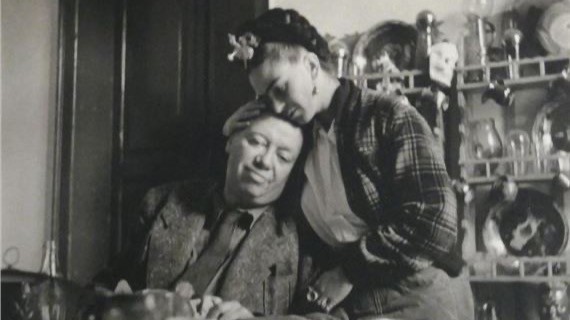

Wellness has been a word that has grown in relevance the last decade. New research shows why your love may be the most powerful one of all.
We’ve most certainly come a long way in our understanding of what constitutes a full and happy life. Former generations had their ideas of what constituted happiness and success: the white picket fence paradigm of the Baby Boomers with a mortgage, cradle-to-grave employment, partner for life and a clutch of kids. The hedonism of Yuppies in the 80s marked a change with money and success becoming the ideal as divorce shot up and the ‘Me’ generation raged.
But by the time we hit the Zoomers, things took a change. Blame it on Covid, maturity or simply new access to research and information, the latest generation has been focussing on a middle point from the overtly responsible to status and roles with the self obsession decades. And that new trend has taken the form of creating, curating and attempting to be more satisfied in body, mind and hopefully soul.
Starting with our bodies and new gym trends like pilates, spinning and other classes then onto the explosion of yoga and now mindfulness, sleepness and other categories, wellness is permeating our culture. Eighty-two percent of US consumers now consider wellness a top or important priority in their everyday lives, which is similar to what consumers in the United Kingdom and China report (73 percent and 87 percent, respectively) according to a 2024 McKinsey report. Wellness as one of the most booming aspects of our economy, soon to reach 9.8 trillion dollars by 2029, outpacing GDP.
Now we’re set to add another wellness to this growing body of priorities we ascribe to an ideal life: relationship wellness. Relationship wellness = the quality, regulation and sustainability of our close relationships (romantic, familial, and even deeply social) and how those relationships affect not only our psychology but even significant factors such as our lifespan and healthspan is an emergent trend. That’s right, you’ll literally live longer and be happier if you ensure your relationship wellness is healthy and strong. The Harvard Study of Adult Development, the longest-term study of happiness in the world with 72,000 respondents over its 85 years of research, consistently shows that the quality of close relationships is the strongest predictor of long-term health and happiness—more than wealth, IQ, genes or fame. “Good relationships keep us happier and healthier. Period,” declares Dr. Robert Waldinger, Director of the Harvard Study of Adult Development.
Their analysis noted that married people lived up to 5–12 years longer (women) and 7–17 years longer (men) when the quality of the relationship was positive. People who were most satisfied in their relationships at age 50 were the healthiest at age 80—outperforming traditional health indicators like cholesterol levels. And just as important, the study showed that secure, meaningful relationships slowed cognitive decline and improved better memory function in old age. “Marriage conveys an advantage. You live longer if you’re married, that that we know for both men and women, but men actually get a bigger longevity benefit from marriage than women do,” declares Waldinger adding that relationship wellness is a spectrum of different kinds of relationships with some—like marriage—being of more impact but no one being a solitary determinant. For instance, a single person with a good array of healthy relationships confers more wellness benefits than a sole relationship that’s abusive, even a married one. Relationship wellness dictates an ecosystem of relationships that are supportive and loving to attain that state, not simply one over another.
Above all, the research shows that relationship wellness in regards to your partner is a qualitative exercise, not a quantitative one. “We found that both marital status and marital quality were important. Married individuals had greater satisfaction with life (SWL) and good blood pressure than single individuals. High marital quality was associated with lower ABP, lower stress, less depression, and higher SWL. Importantly, contrasting those who are unmarried with those in low-quality marriages, we find that single individuals had lower ABP—suggesting that single individuals fare better than their unhappily married counterparts. Likewise, having a supportive network did not moderate (i.e., buffer) the effects of being single or unhappily married,” states Julianne Holt-Lunstad, Wendy Birmingham and Brandon Q Jones in their paper Annals of Behavioural Medicine study “Is There Something About Marriage?”.
Like other wellness trends at their inception, the first inflection is to create its own language that starts a cultural conversation. “The quality of our relationships determines the quality of our lives,” states Esther Perel, considered one of the most visible voices for improved relationship wellness. From there, count on new patterns, tools, technologies and above all awareness that puts relationship awareness on the level of physical health and mindfulness to have a happy, healthy and loving life.
Written by Sam Coleman, from the Amorhy Crew